

The Climate Resilience Initiative aims to build adaptive capacity, protect vulnerable communities, and promote sustainable practices across sectors. Learn More


The Climate Resilience Initiative aims to build adaptive capacity, protect vulnerable communities, and promote sustainable practices across sectors. Learn More
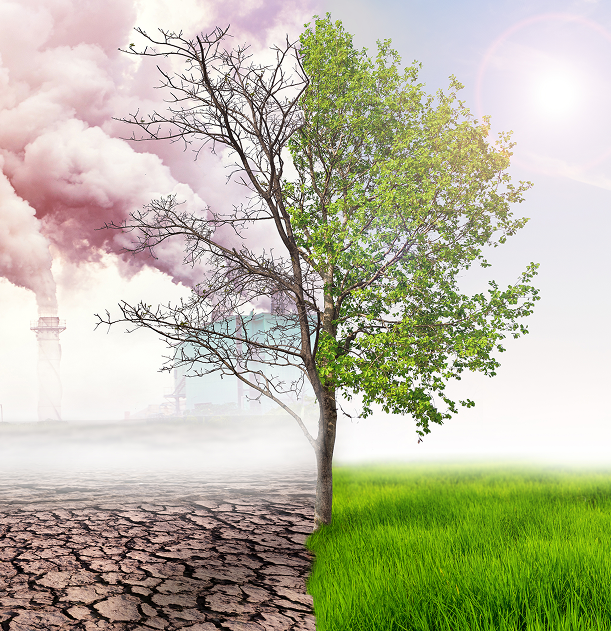
Punjab, the most populous province of Pakistan, has a strong economic record and contributes about 54.2 % to the national GDP, facing a unique set of challenges and opportunities in the context of climate change (PGS, 2023). Understanding the province's demographic trends, land profile, and key climate parameters is essential for developing effective strategies to mitigate and adapt to the impacts of climate change, such as floods, droughts, and heat waves.



Senior Minister Planning & Development
Chief Secretary Government of the Punjab
Secretary Environment Protection & Climate Change Department
The adaptation policy area focuses on the sectors that can enhance Punjab’s capacities to manage and recover from exacerbating climate shocks by protecting the province’s green and blue systems and minimizing the impacts on (vulnerable) populations.
The Mitigation Policy Area focuses on the reduction of GHG emissions and low-carbon development in Punjab to meet national and global commitments.
This policy area focuses on the measures that require a combination of adaptation and mitigation strategies in different sectors.

0.18°C above normal mean change1 0.97 °C average rise in 57% of the...

+45% Annual Rain Variation (2022)5 0.7 million acres of cropland & ..

Metrological Droughts linked with 27% yield variation in province9 Largest...

89% increase in forest fire events compared to last year12 377 events...
"A Climate Resilient Punjab"
Promoting sustainable growth in Punjab based on low-emissions development and enhancing capacity to manage, adapt and recover from climate events.


